The best WiFi routers for home office use depend on your internet plan, work devices, and how far the signal must reach. These picks range from straightforward WiFi 6 upgrades to WiFi 7 and mesh options, with travel models included for work on the move.
Quick Top Products
TP-Link Archer BE600
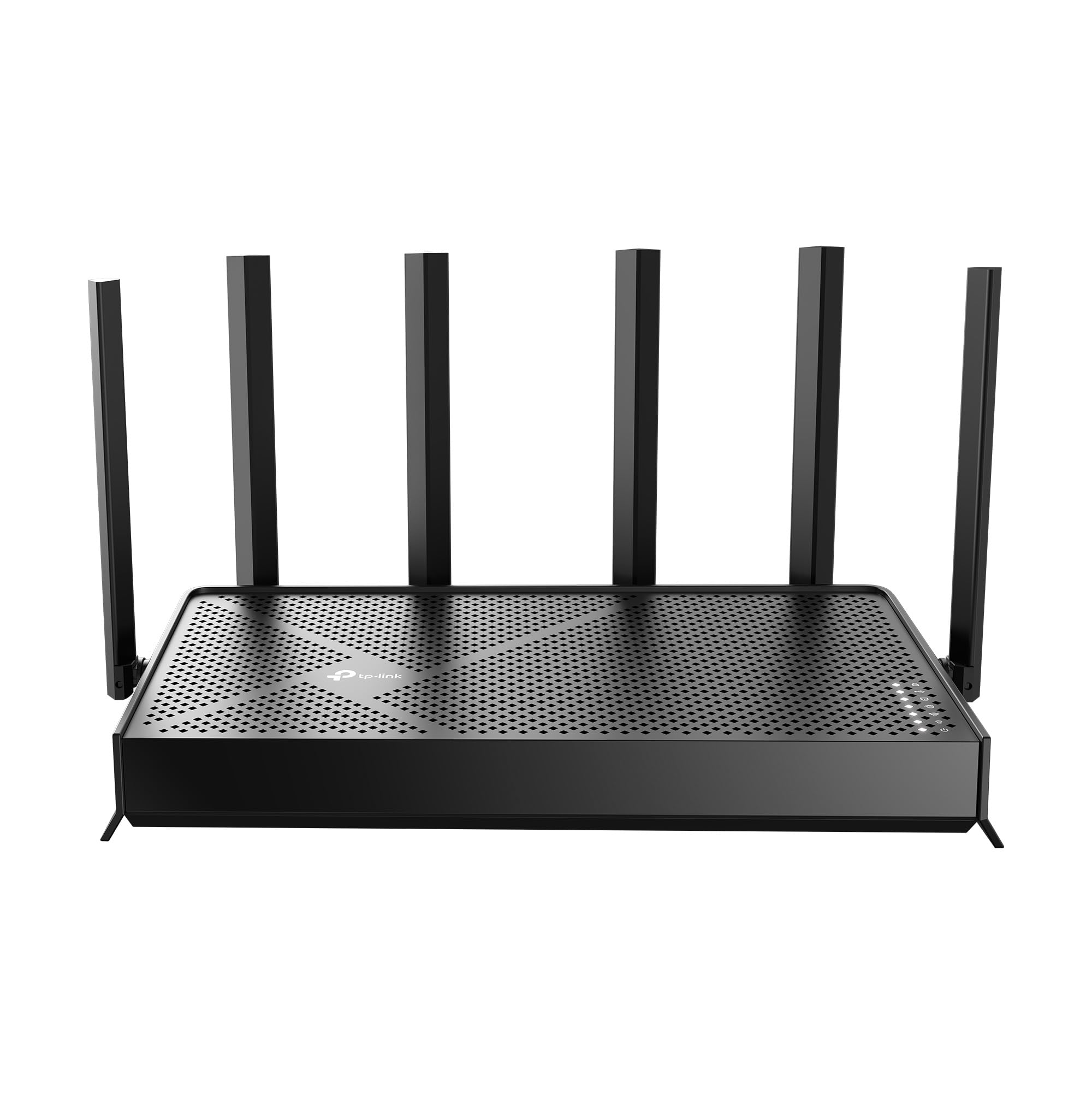
- Tri-band WiFi 7 with channels up to 320 MHz.
- Includes a 10 Gbps port and three 2.5 Gbps LAN ports.
- Rated for up to 2,600 sq. ft. and 120 devices.
Best For: Home offices with many connected devices and multi-gig wired equipment.

TP-Link Archer AXE75
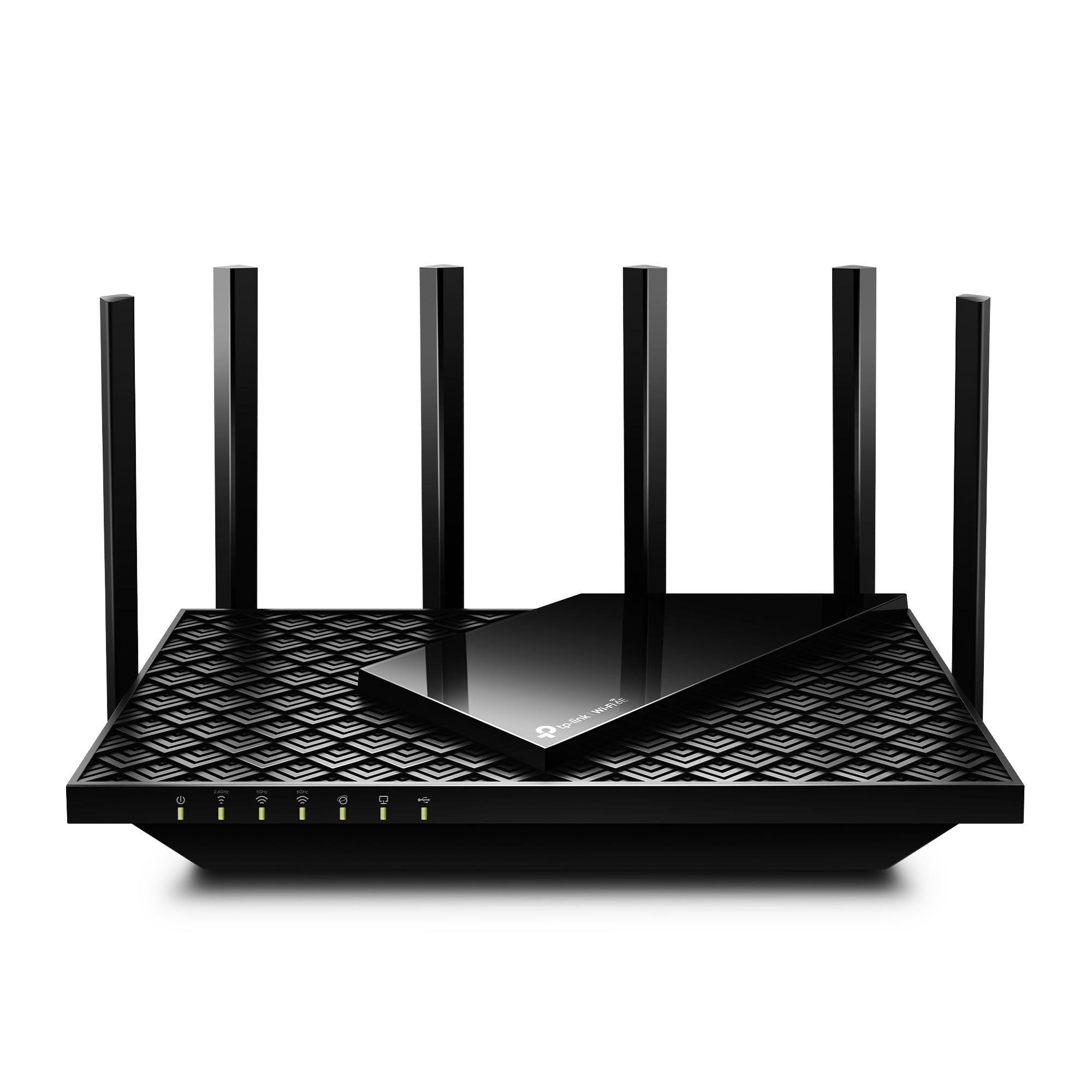
- Tri-band WiFi 6E includes a 6 GHz band.
- OFDMA supports simultaneous transmission to more devices.
- Works with TP-Link OneMesh extenders.
Best For: Households seeking WiFi 6E and extra wireless capacity for concurrent work and home use.
TP-Link Archer BE230
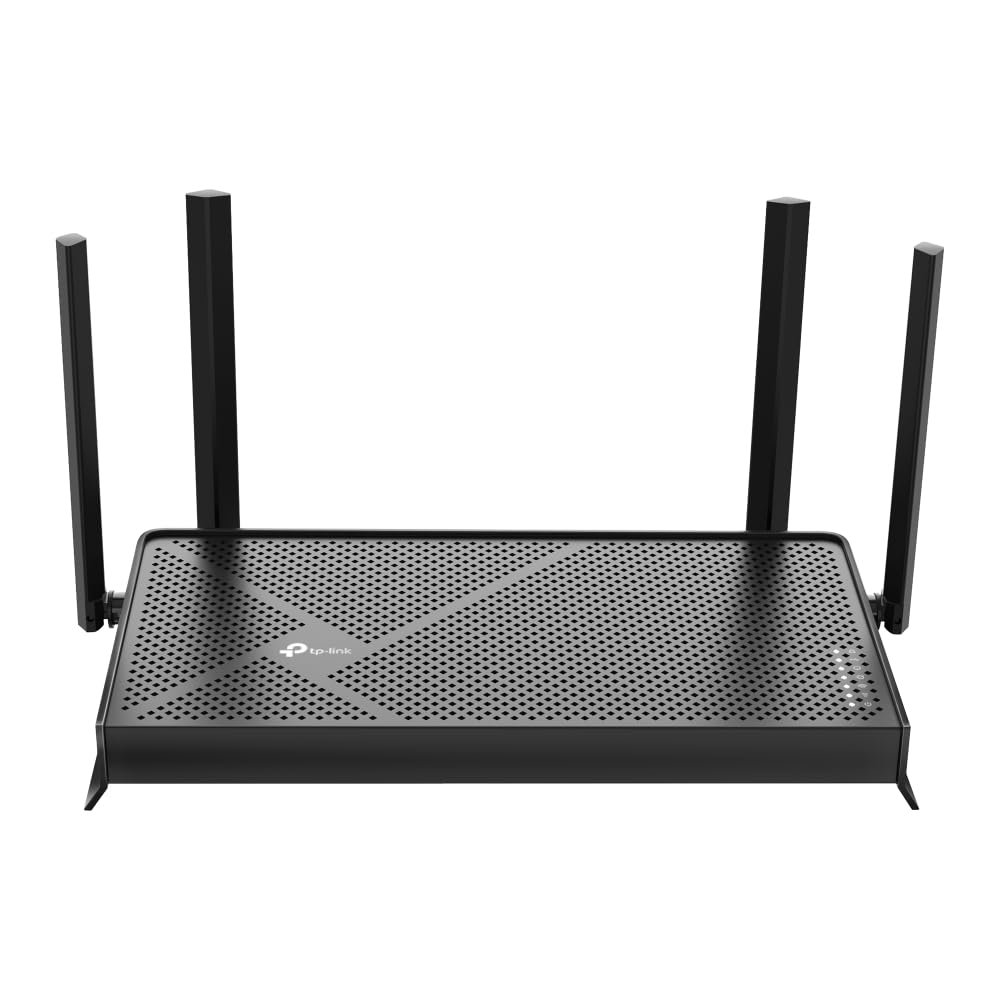
- Dual-band WiFi 7 with MLO and Multi-RUs.
- Has two 2.5 Gbps ports and three 1 Gbps LAN ports.
- EasyMesh works with compatible routers and range extenders.
Best For: Home workers who want WiFi 7 features and multiple fast Ethernet connections in a dual-band router.
TP-Link Archer BE400
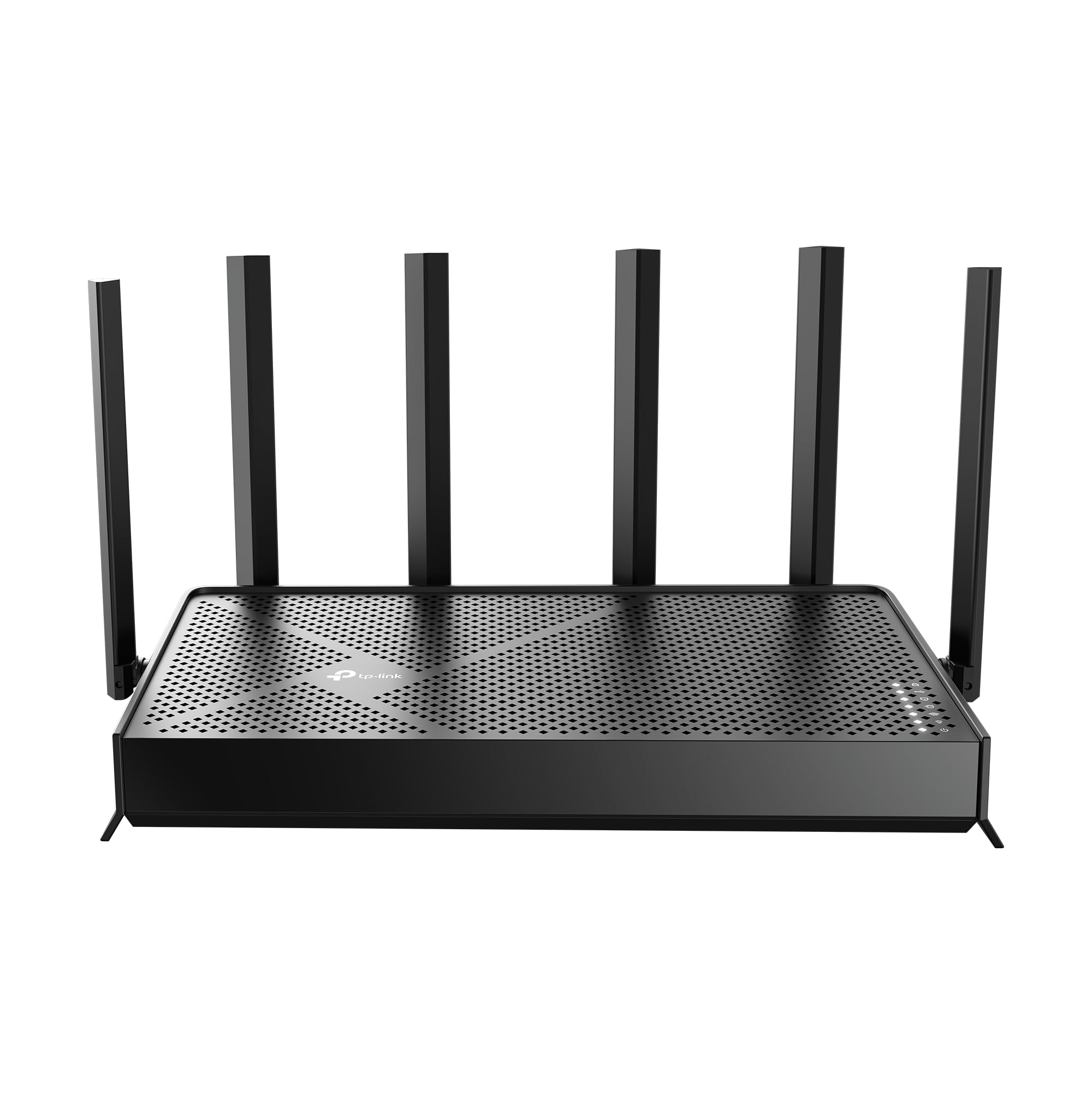
- Dual-band WiFi 7 supports Multi-Link Operation.
- Rated for up to 2,400 sq. ft. and 90 devices.
- Includes two 2.5 Gbps ports and three gigabit LAN ports.
Best For: Remote workers needing broad rated coverage, higher device capacity, and a multi-gig wired port.
Tenda RX12 Pro V3.0
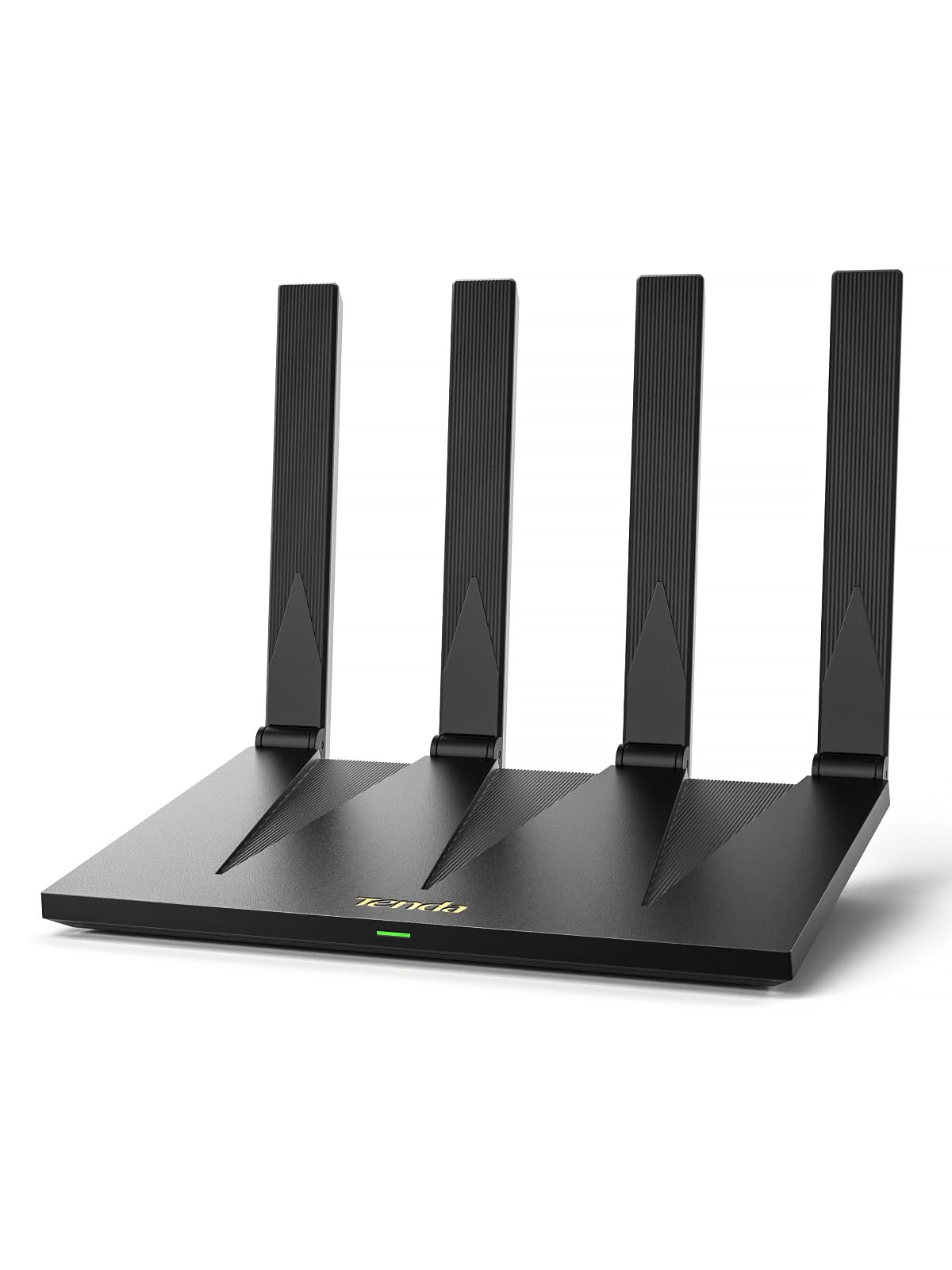
- WiFi 6 dual-band speeds are rated up to 2402 Mbps plus 574 Mbps.
- Supports OpenVPN and WireGuard via a firmware update.
- Four full gigabit ports support automatic WAN/LAN recognition.
Best For: Home workers who want a WiFi 6 router with VPN support and straightforward gigabit wired connections.
TP-Link Archer GE650
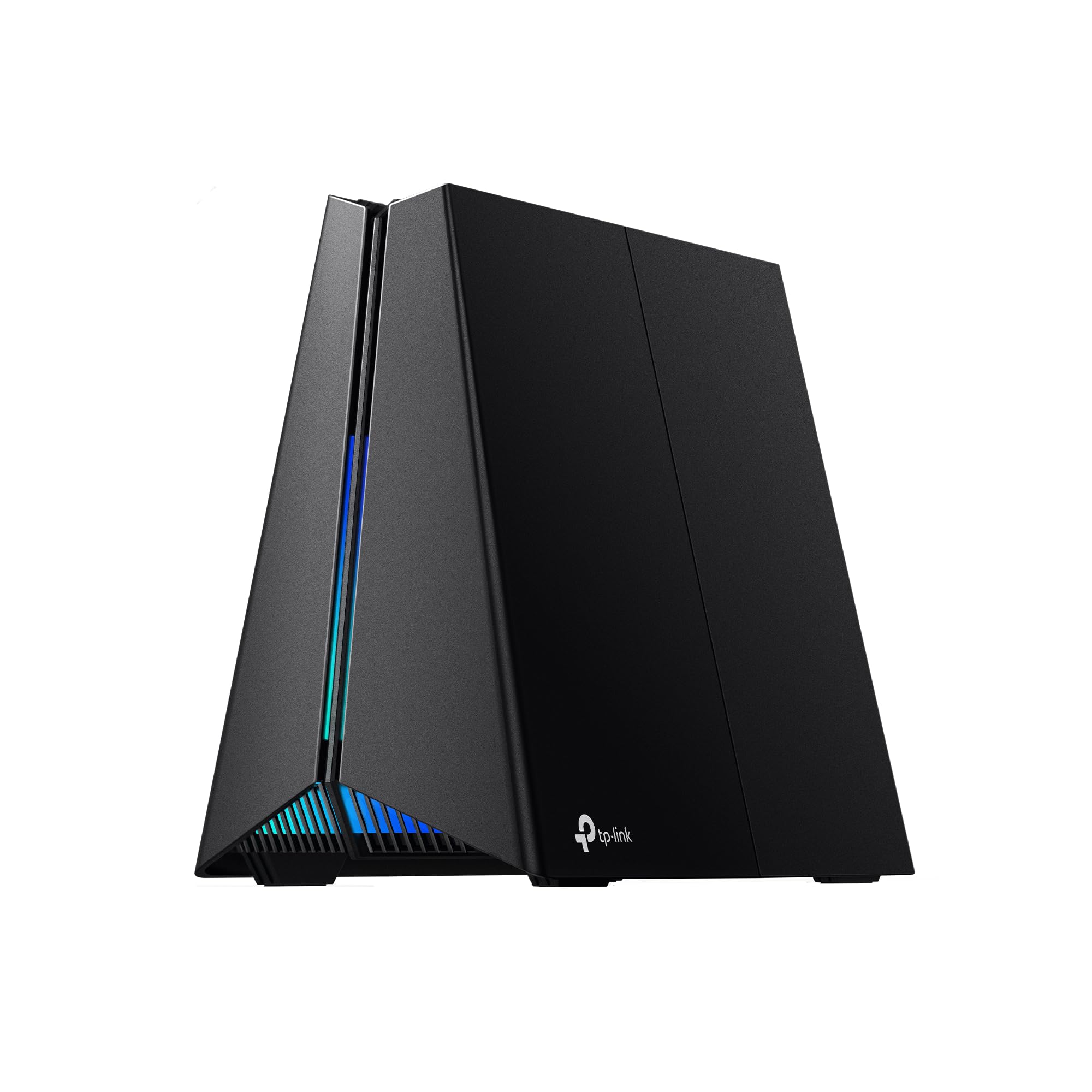
- Tri-band WiFi 7 has a dedicated 5 GHz gaming band.
- Includes two 5 Gbps and three 2.5 Gbps ports.
- The game panel displays network and router performance.
Best For: Home offices where gaming and demanding wireless use share the network.
Tenda AC6
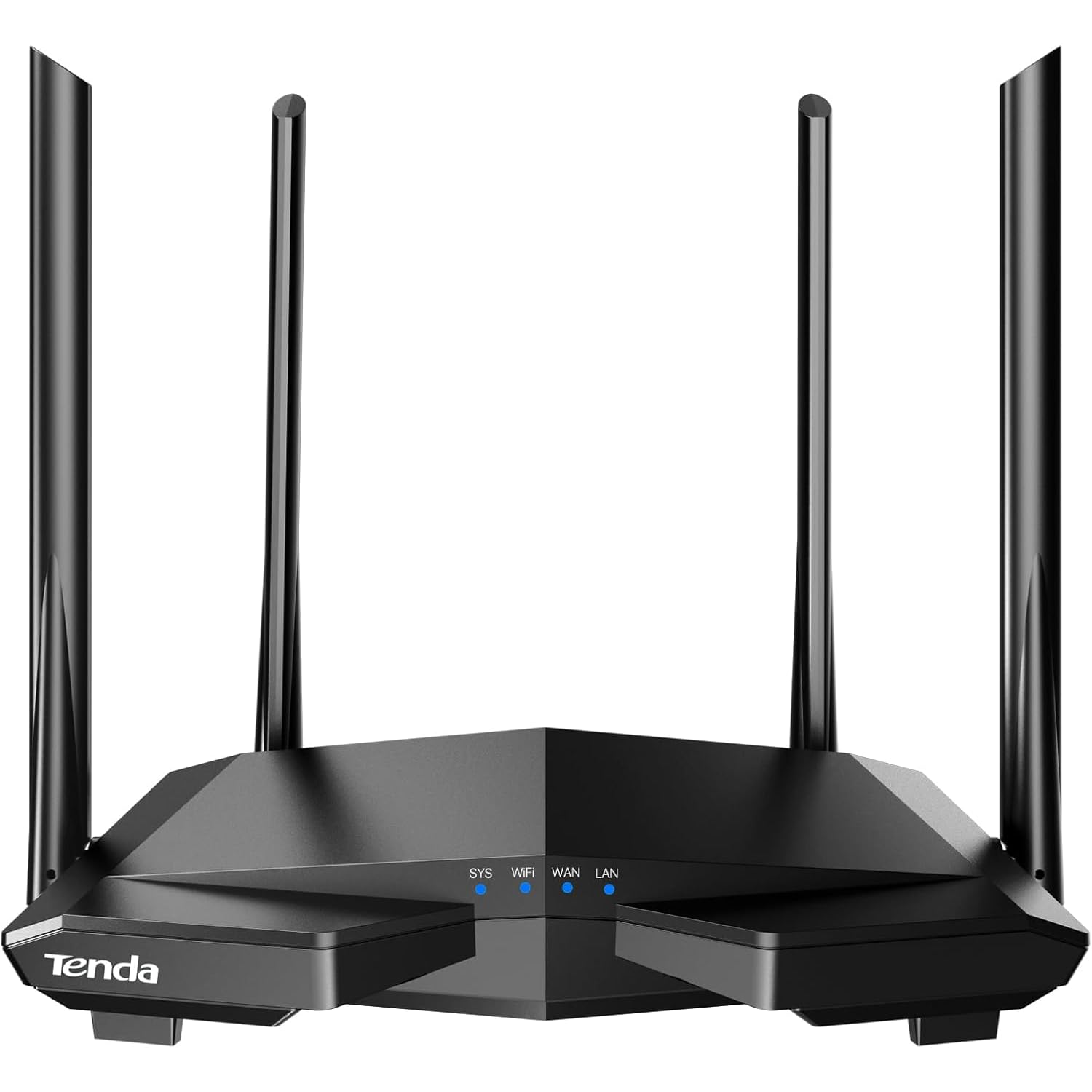
- AC1200 dual-band WiFi supports speeds up to 1.2 Gbps.
- Four 6 dBi antennas and beamforming support home coverage.
- The Tenda app supports setup and network management.
Best For: Small home offices with modest wired needs and a preference for app-based setup.
TP-Link Deco 7 BE23
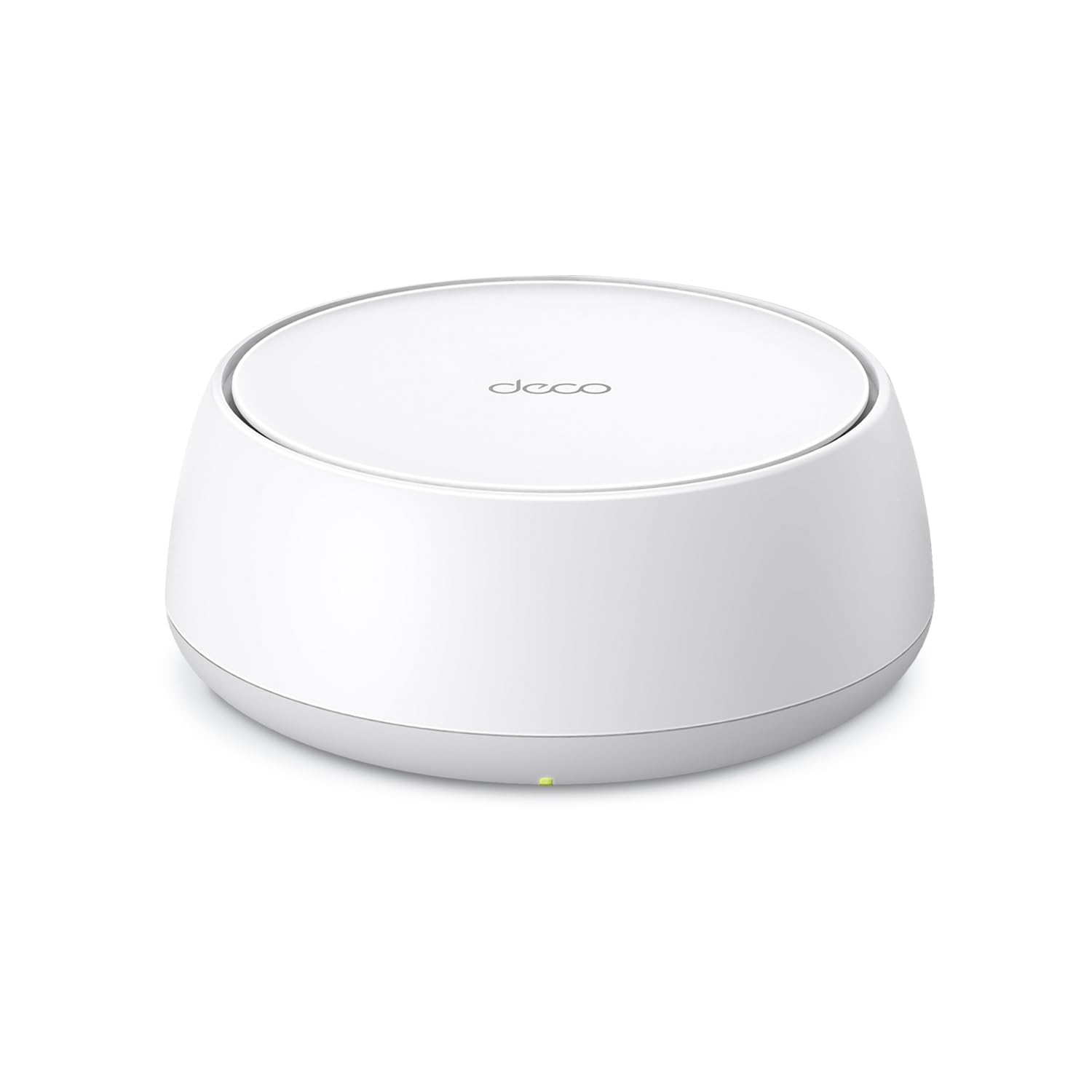
- This is a one-pack WiFi 7 mesh router.
- Rated for up to 2,500 sq. ft. and 150 devices for one pack.
- Each unit has two 2.5 Gbps WAN/LAN ports.
Best For: Remote workers who value a unified mesh network and may later add compatible Deco units.
TP-Link Archer GE800
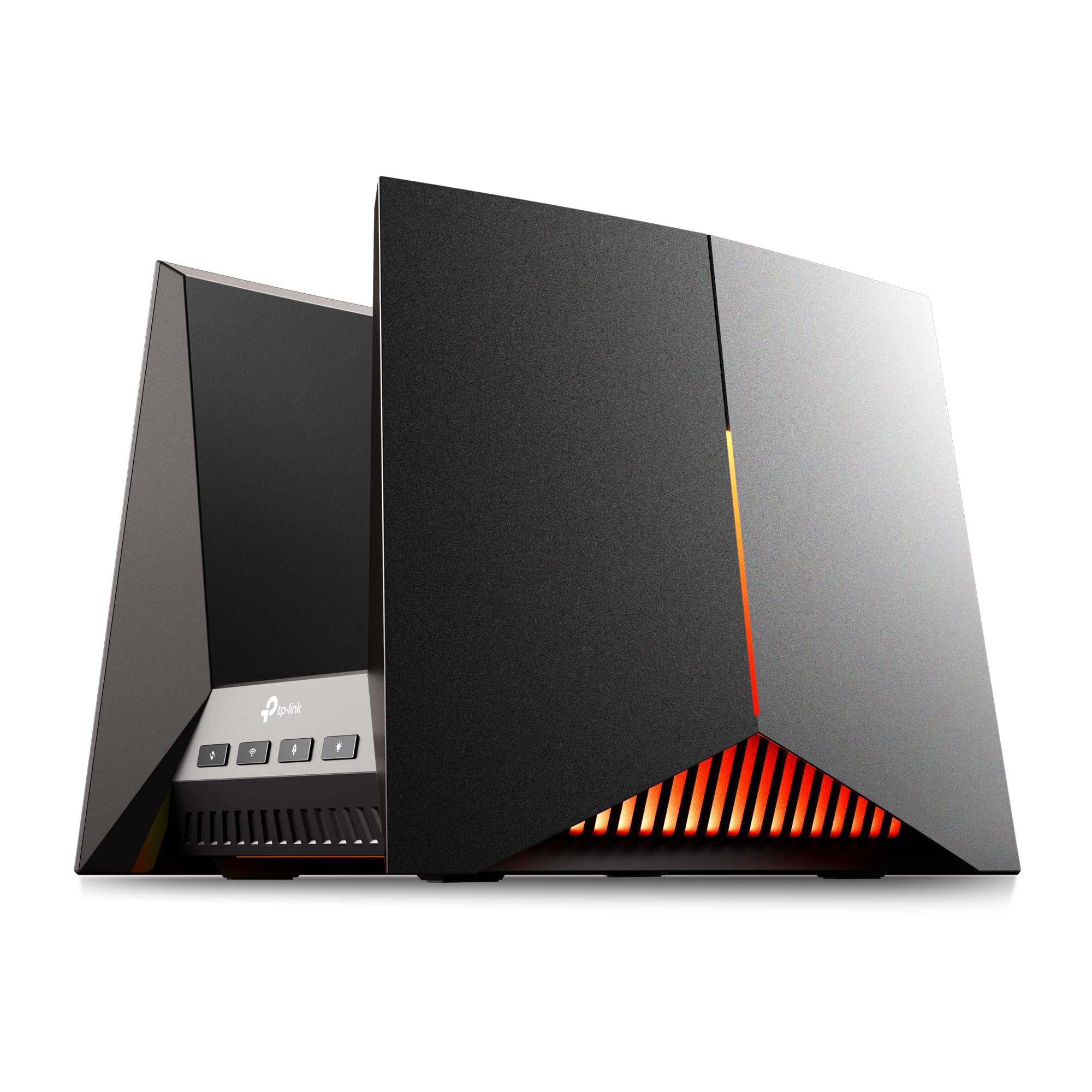
- Tri-band WiFi 7 supports up to 19 Gbps across three bands.
- It has two 10 Gbps and four 2.5 Gbps ports.
- The router includes a dedicated gaming port and performance panel.
Best For: Large home offices with demanding gaming workloads and multiple high-speed wired devices.
TP-Link Roam 7 BE3600
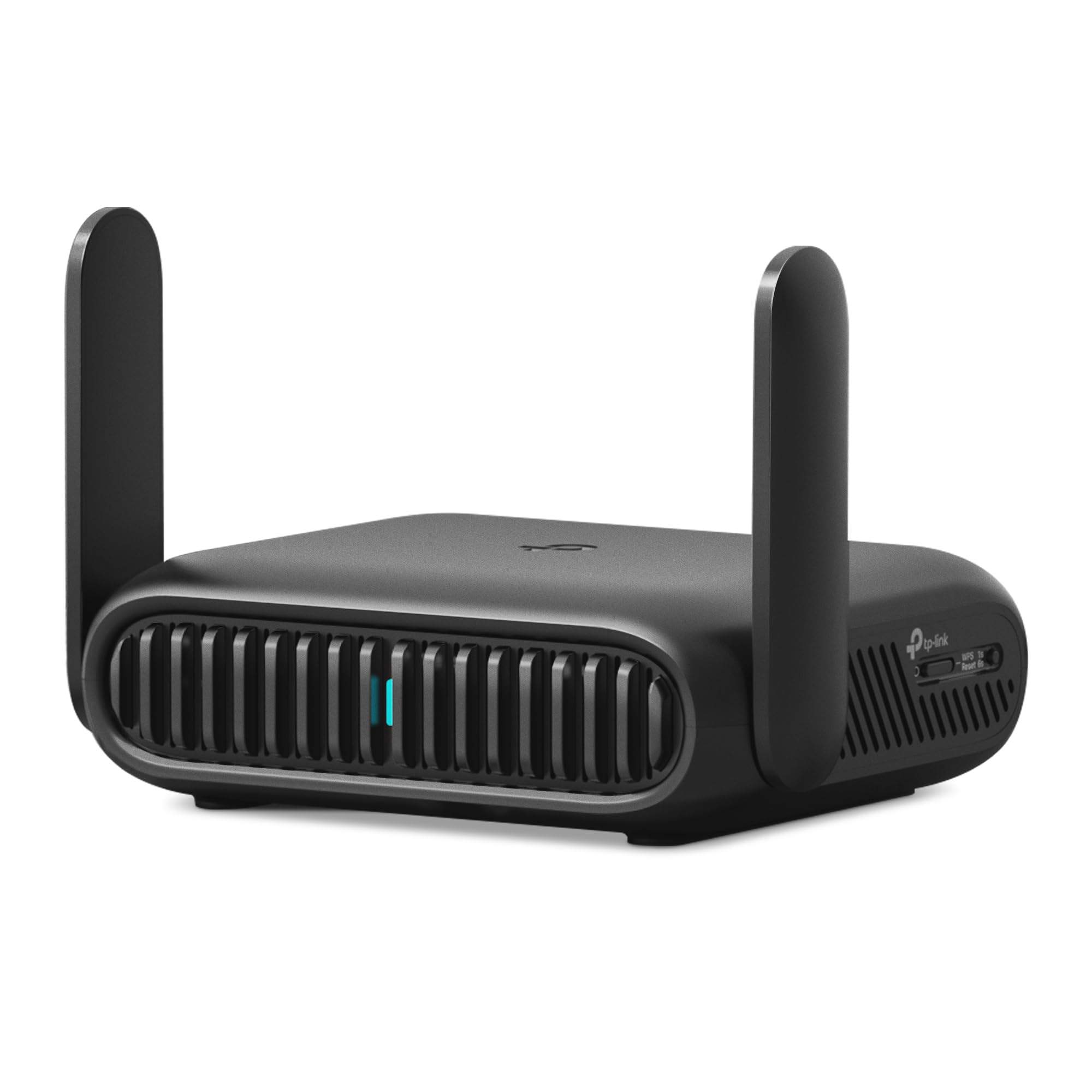
- Connects to public WiFi and creates a private network.
- Supports up to 90 devices at once.
- USB-C power can come from a 5V PD source such as a power bank.
Best For: People who carry a router between home, hotels, RVs, and other work locations.
Tri-Band WiFi 7 for Busy Homes
TP-Link Tri-Band BE9700 WiFi 7 Router (Archer BE600) – 10G Port, 2.5G Port, 3× 2.5G LAN, 320MHz Channel, Covers up to 2,600 sq. ft., 120 Devices, VPN, HomeShield Security
The Archer BE600 combines tri-band WiFi 7 with a 10 Gbps port and three 2.5 Gbps LAN ports, giving a home office room to connect fast wired equipment alongside wireless laptops and phones. It is rated for coverage up to 2,600 sq. ft. and up to 120 devices, which may suit a busy household where work calls share the network with streaming and smart devices.
VPN client and server support adds a network-level option for remote access. Check that your modem and devices can use the available multi-gig connections, and remember that coverage figures are maximums rather than a guarantee for every floor plan.
Best For: Home offices with many connected devices and multi-gig wired equipment.
| Pros | Cons |
|---|---|
|
|
Choose the BE600 if your office has several wired devices or you want tri-band WiFi 7 alongside multi-gig connections. Its rated coverage and device capacity are useful planning points, but actual reach depends on your home layout.
Before buying, check which port will connect to your modem and whether your broadband plan, modem, and client devices can use the router's faster links.
6 GHz Band for Video Calls and Device Capacity
TP-Link AXE5400 Tri-Band WiFi 6E Router (Archer AXE75), 2025 PCMag Editors' Choice, 2.5Gbps WAN Port for Gaming & Streaming, 6GHz Band, 160MHz, OneMesh, Dual-Core CPU, VPN & WPA3 Security
The Archer AXE75 brings tri-band WiFi 6E, including a 6 GHz band, to a home office sharing its network with other users. Its product notes describe the band as adding bandwidth for more responsive video chatting, while OFDMA supports simultaneous transmissions to more devices.
OneMesh compatibility offers an expansion path with a TP-Link OneMesh extender, and the router supports VPN client and server modes. The 6 GHz band is most relevant when your devices can use WiFi 6E; check client compatibility and your coverage needs before choosing it over a WiFi 7 or mesh design.
Best For: Households seeking WiFi 6E and extra wireless capacity for concurrent work and home use.
| Pros | Cons |
|---|---|
|
|
Pick the AXE75 if you specifically want WiFi 6E and a separate 6 GHz band for compatible work devices. OneMesh gives you an extender-based route to broader coverage, while VPN modes add flexibility for network access.
Check that your laptop or other key clients support 6 GHz; otherwise, the main distinction may matter less than the router's general dual-band or mesh alternatives.
Multi-Gig WiFi 7 Without a Third Band
TP-Link Dual-Band BE3600 Wi-Fi 7 Router Archer BE230 | 4-Stream | 2×2.5G + 3×1G Ports, USB 3.0, 2.0 GHz Quad Core, 4 Antennas | VPN, EasyMesh, HomeShield, MLO, Private IOT | Free Expert Support
The Archer BE230 is a dual-band WiFi 7 router with two 2.5 Gbps ports and three 1 Gbps LAN ports. That port mix can work well for an office with a multi-gig broadband connection, a wired desktop, and other Ethernet devices.
It is rated for up to 2,000 sq. ft. and 60 devices, and EasyMesh support provides an option to expand coverage with compatible equipment. Because it is dual-band, it does not support 6 GHz; consider that when comparing it with tri-band WiFi 6E or WiFi 7 options.
A separate modem is required for most providers.
Best For: Home workers who want WiFi 7 features and multiple fast Ethernet connections in a dual-band router.
| Pros | Cons |
|---|---|
|
|
The BE230 is a sensible fit when wired ports are central to your office setup and you want WiFi 7 features. Its dual-band design means it lacks the 6 GHz option available on tri-band alternatives, and its coverage rating is lower than some larger-home models here.
Check your floor plan, modem arrangement, and how many fast wired connections you need before choosing.
WiFi 7 Coverage for a Larger Home
TP-Link BE6500 Dual-Band WiFi 7 Router (BE400) – Dual 2.5Gbps Ports, USB 3.0, Covers up to 2,400 sq. ft., 90 Devices, Quad-Core CPU, HomeShield, Private IoT, Free Expert Support
The Archer BE400 pairs dual-band WiFi 7 with six antennas and a rated maximum coverage of up to 2,400 sq. ft. It is rated for up to 90 devices, which may suit a household where work calls, personal devices, and smart-home gear are online together.
A 2.5 Gbps WAN/LAN port and a separate 2.5 Gbps LAN port make it possible to connect a multi-gig modem and a wired workstation, with three additional gigabit LAN ports for other equipment. Check that the dual-band design meets your needs, since it does not offer a third 6 GHz band.
Best For: Remote workers needing broad rated coverage, higher device capacity, and a multi-gig wired port.
| Pros | Cons |
|---|---|
|
|
Consider the BE400 if your home office needs WiFi 7, broad rated coverage, and more than one multi-gig wired connection. It has a higher rated area and device limit than the Deco BE23, but it remains dual-band.
Match the router to your actual layout and client devices, then confirm the modem and broadband service can make use of its faster WAN connection.
WiFi 6 With VPN and Gigabit Ports
Tenda AX3000 WiFi 6 Router,Dual-Band Gigabit Wireless Internet Router, Mesh & AP Mode, Built-in VPN, NFC Tap-to-Connect, OFDMA MU-MIMO, Secure IoT Network for Home Gaming & 4K Streaming(RX12 Pro V3.0)
The Tenda RX12 Pro V3.0 offers dual-band WiFi 6, four gigabit ports, and built-in VPN support. Its notes identify OpenVPN and WireGuard support through a firmware update, as well as PPTP and L2TP.
OFDMA and MU-MIMO are intended to help manage multiple active devices, and EasyMesh support gives you a way to expand the network with compatible equipment. NFC tap-to-connect is available for compatible Android phones.
It can suit a practical home office setup, but it requires a separate modem or ISP gateway and does not support OpenWRT on the current version.
Best For: Home workers who want a WiFi 6 router with VPN support and straightforward gigabit wired connections.
| Pros | Cons |
|---|---|
|
|
Choose this Tenda if you need a WiFi 6 upgrade with gigabit Ethernet, VPN support, and mesh expansion potential without prioritizing WiFi 7. The VPN protocol support has a firmware-update qualification, so confirm the firmware available to your unit if WireGuard matters.
Also check that your existing modem or gateway can provide the internet connection.
Tri-Band Router With a Dedicated Gaming Band
TP-Link Tri-Band BE11000 Wi-Fi 7 Gaming Router Archer GE650 | 6-Stream 11 Gbps supports 320MHz | 2×5G + 3×2.5G Ports USB 3.0 | Game Acceleration, Dedicated Gaming Port & Panel, RGB Lighting|HomeShield
The Archer GE650 is a tri-band WiFi 7 gaming router with a dedicated 5 GHz gaming band, game traffic acceleration, and a dashboard for network and router performance. Those gaming features may also appeal in a household where work video calls compete with entertainment traffic, though the product notes frame the router primarily for gaming.
Its wired connections include two 5 Gbps ports and three 2.5 Gbps LAN ports. HomeShield and EasyMesh compatibility are also included.
Consider its specialized focus and check whether the available features match your work setup as well as your gaming needs.
Best For: Home offices where gaming and demanding wireless use share the network.
| Pros | Cons |
|---|---|
|
|
This is a niche option for a home office that shares space and network demand with gaming. Its dedicated gaming band, acceleration features, and multi-gig ports go beyond what many work-focused setups need.
Compare those benefits with the broader coverage and office-oriented port details of the general-purpose routers, and verify your modem can connect to its 5 Gbps WAN port.
Simple Dual-Band Setup With App Controls
Tenda AC1200 Smart WiFi Router, High Speed Dual Band Wireless Internet Router with Smart APP, 4 x 100 Mbps Fast Ethernet Ports, Supports Guest WiFi, Access Point Mode, IPv6 and Parental Controls(AC6)
The Tenda AC6 is an AC1200 dual-band router with four antennas, beamforming, and four 100 Mbps Ethernet ports. It can be a fit for a smaller home office with basic wired needs and a desire for app-based setup and guest WiFi.
The notes include parental controls, access point mode, and MU-MIMO on the 5 GHz band. Its Ethernet ports are limited to 100 Mbps, so it is a poor match for anyone who needs gigabit wired speeds.
It is a router rather than a modem, so retain or obtain a separate modem for internet access.
Best For: Small home offices with modest wired needs and a preference for app-based setup.
| Pros | Cons |
|---|---|
|
|
Choose the AC6 only if its 100 Mbps Ethernet ports fit your wired devices and internet plan. App setup, guest WiFi, and access point mode cover useful basics, but several alternatives offer gigabit or multi-gig ports and newer WiFi generations.
Check whether the router's wired limit would constrain your office desktop or other Ethernet-connected equipment.
Single-Unit Mesh for Flexible Room Coverage
TP-Link Deco 7 BE23 Dual-Band BE3600 WiFi 7 Mesh Wi-Fi Router | 4-Stream 3.6 Gbps,160 Mhz | Covers up to 2,500 Sq.Ft | 2× 2.5G Ports Wired Backhaul | VPN, MLO, HomeShield, Free Expert Help, 1-Pack
This one-pack Deco 7 BE23 combines WiFi 7 with a mesh design and a rated coverage area of up to 2,500 sq. ft. for the included unit. It supports up to 150 devices and has two 2.5 Gbps WAN/LAN ports, making it relevant to a home office with wired multi-gig equipment.
Deco mesh creates a unified network name and supports roaming across compatible Deco units, while the notes also describe wired and wireless backhaul. Because this is a one-pack, assess the layout and whether a single node will cover your workspace before relying on mesh expansion.
Best For: Remote workers who value a unified mesh network and may later add compatible Deco units.
| Pros | Cons |
|---|---|
|
|
Consider the Deco 7 if you prefer the Deco mesh ecosystem and expect to extend coverage with compatible units. Its single included node has a sizeable rated area and two multi-gig ports, but the actual home layout determines whether one node is enough.
Confirm the included quantity and any additional node requirements before planning a mesh system.
High-Capacity WiFi 7 for Gaming and Wired Gear
TP-Link Tri-Band BE19000 Wi-Fi 7 Gaming Router Archer GE800 | 12-Stream | 2×10G + 4×2.5G Ports, USB 3.0 | Turbo Acceleration, Dedicated Gaming Port & Panel, RGB Lighting, HomeShield, Free Expert Help
The Archer GE800 is a tri-band WiFi 7 gaming router with up to 19 Gbps across three bands, plus two 10 Gbps and four 2.5 Gbps ports. A dedicated gaming port, game acceleration, and a performance panel make it most relevant when work and high-end gaming share a network.
EasyMesh compatibility can support expansion with compatible routers or extenders. This is a highly specialized design for ordinary office tasks, so weigh its gaming features and port capacity against what your broadband plan and wired devices can use.
Check the required modem connection and available space for its gaming-focused router design.
Best For: Large home offices with demanding gaming workloads and multiple high-speed wired devices.
| Pros | Cons |
|---|---|
|
|
The GE800 is for buyers whose home office overlaps with a serious gaming setup and who can make use of its numerous high-speed ports. For calls, documents, and standard laptop work, its gaming-centered feature set may be more than needed.
Compare your actual wired equipment and broadband service with the available ports before paying for this specialized configuration.
Portable Router for Hotel and Remote Work
TP-Link Roam 7 BE3600 Wi-Fi 7 Portable Travel Router | Dual-Band, 2.5G Port, USB 3.0 | Multi-Modes in One | OpenVPN, WireGuard® | Public WiFi Sharing for Hotel/Cruise/RV/Plane | No 6 GHz | TL-WR3602BE
The Roam 7 is a portable dual-band WiFi 7 travel router designed to create a private network from public WiFi. For remote work on the move, it can share a hotel or other public connection with multiple devices, supports VPN client and server modes, and offers one-step captive portal authentication through the Tether app.
It also has a 2.5 Gbps WAN and 1 Gbps LAN port, with USB-C power options including a power bank. It is designed for travel rather than as a conventional fixed home router, and it does not support 6 GHz.
Check the connection modes and power source you'll need at your destination.
Best For: People who carry a router between home, hotels, RVs, and other work locations.
| Pros | Cons |
|---|---|
|
|
Pick the Roam 7 for a mobile home office where hotel WiFi, USB tethering, or a wired connection may be the available internet source. Its captive portal handling and VPN modes are useful travel-specific features.
For a permanent home setup, compare it with the stationary routers' port and coverage details; also verify your phone or power bank supports the needed tethering or power arrangement.
How to Choose Wifi Routers For Home Office
How We Picked WiFi Routers for Home Office
We selected routers that can serve a home work setup through useful combinations of wireless generation, Ethernet connectivity, coverage options, device capacity, or remote-work features. The group includes practical WiFi 6 choices, WiFi 6E and WiFi 7 models, a mesh node, and portable routers for people who work away from home.
A router does not replace a modem. Check what your internet provider supplies and whether the modem or gateway must remain in place.
For a fixed office, wired ports can help connect a desktop or dock; for video calls from different rooms, coverage and mesh compatibility may matter more.
Comparing WiFi Routers for Home Office
The biggest differences are wireless bands, port speeds, and product design. The Archer AXE75 adds a 6 GHz band, while the Archer BE230 and BE400 are dual-band WiFi 7 routers.
The BE600 is tri-band WiFi 7 with a 10 Gbps port, while the GE650 and GE800 add gaming controls and multi-gig wired capacity. The coordinator's comparison table below places their key specifications side by side.
For wired work, compare the actual port layout rather than the headline WiFi speed. The BE230 has two 2.5 Gbps ports plus three gigabit LAN ports; the BE600 has a 10 Gbps port and three 2.5 Gbps LAN ports.
The Tenda AC6 offers four 100 Mbps ports, a meaningful limit for a wired desktop or fast broadband service.
| Product | Standout features | Best for |
|---|---|---|
| TP-Link Archer BE600Check Price |
| Home offices with many connected devices and multi-gig wired equipment. |
| TP-Link Archer AXE75Check Price |
| Households seeking WiFi 6E and extra wireless capacity for concurrent work and home use. |
| TP-Link Archer BE230Check Price |
| Home workers who want WiFi 7 features and multiple fast Ethernet connections in a dual-band router. |
| TP-Link Archer BE400Check Price |
| Remote workers needing broad rated coverage, higher device capacity, and a multi-gig wired port. |
| Tenda RX12 Pro V3.0Check Price |
| Home workers who want a WiFi 6 router with VPN support and straightforward gigabit wired connections. |
| TP-Link Archer GE650Check Price |
| Home offices where gaming and demanding wireless use share the network. |
| Tenda AC6Check Price |
| Small home offices with modest wired needs and a preference for app-based setup. |
| TP-Link Deco 7 BE23Check Price |
| Remote workers who value a unified mesh network and may later add compatible Deco units. |
| TP-Link Archer GE800Check Price |
| Large home offices with demanding gaming workloads and multiple high-speed wired devices. |
| TP-Link Roam 7 BE3600Check Price |
| People who carry a router between home, hotels, RVs, and other work locations. |
Choosing WiFi Coverage for Video Calls
Coverage figures are useful for an initial shortlist, but they do not tell you how reliably a signal will reach a particular desk. Walls, floor plan, router placement, and the devices used all affect the result.
The BE600, BE400, BE230, and single-pack Deco each have a stated coverage figure; compare that with your office location and home layout.
If the router cannot sit near the work area, consider the mesh options. The Deco 7 BE23 is a one-pack mesh router that can be paired with compatible Deco units, while several Archer routers support EasyMesh or OneMesh.
Confirm compatibility across the equipment you plan to combine.
Features for a Secure Remote Work Network
VPN support varies by model and mode. The Tenda RX12 Pro V3.0 supports OpenVPN and WireGuard through a firmware update, while the Archer BE600, Archer BE400, AXE75, and Deco 7 identify VPN client and server support.
The Roam 7 can create a private network from public WiFi and supports VPN modes, making it relevant to hotel-based work.
Check whether you want VPN access for devices connected through the router or only on a specific work computer. Also review the setup app, captive portal needs when travelling, guest network options, and any paid security features before choosing.
The router's stated WiFi generation alone does not settle these practical setup questions.
Who Should Buy Which Home Office Router?
Choose the Tenda AC6 for basic app-managed WiFi if its 100 Mbps Ethernet ports are sufficient. The RX12 Pro V3.0 is a more capable WiFi 6 option with gigabit ports and VPN support.
The AXE75 suits buyers with WiFi 6E devices who want the 6 GHz band, while the BE230 offers WiFi 7 and two 2.5 Gbps ports in a dual-band design.
For a busier household, consider the BE400 or BE600 based on the rated coverage and wired connections you need. The Deco 7 is suited to buyers who prefer a mesh ecosystem, while the Roam 7 is tailored to people who work across hotels and other travel locations.
Gaming-focused GE650 and GE800 models make sense when gaming features and high-speed wired connections are also part of the brief.